Table of contents
Quick answer
Dubai is very easy for Muslim travellers. Halal food is the default across the city, prayer rooms (musalla) and mosques are everywhere, and an alcohol-free trip takes no planning at all. Modest fashion is widely sold, and mosques such as Jumeirah Mosque run guided cultural visits through the SMCCU.
Halal food is the default
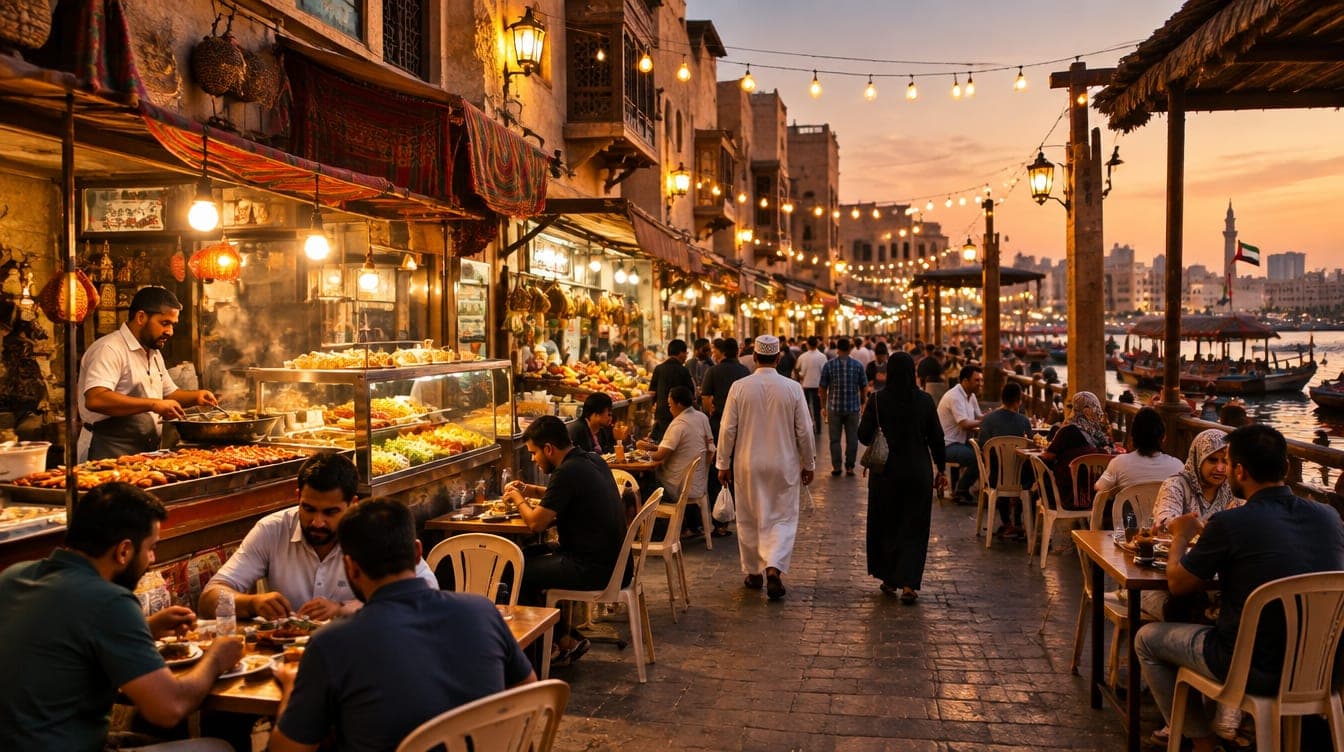
In the UAE, halal is the norm rather than the exception. The large majority of restaurants serve halal food, so you rarely need to search for it or ask — a standard menu in a Dubai mall food court, a neighbourhood cafe or a hotel restaurant is almost always halal.
Pork is the one thing to watch for, and it is easy to manage. It is sold only in licensed, clearly marked sections of some supermarkets and in a small number of licensed outlets, kept separate from everything else, and where a dish contains it the menu says so. Eating halal throughout your trip needs no special effort.
Prayer: rooms, mosques and the qibla
Prayer facilities are built into daily life here. Prayer rooms (musalla) are provided in shopping malls, at the airport and in most public buildings, usually with separate areas for men and women. Mosques are found in almost every neighbourhood, and the call to prayer sounds five times a day across the city.
Hotels commonly mark the qibla, the direction of Mecca, in the room. Prayer-time apps are widely used and give accurate local times for Dubai, which is useful as the times shift through the year.
Mosques you can visit
Jumeirah Mosque is one of the few mosques in Dubai open to non-Muslim visitors, through guided visits run by the Sheikh Mohammed Centre for Cultural Understanding (SMCCU) under its motto 'open doors, open minds'. The visits are welcoming and informal: modest dress is required, traditional attire can be borrowed at the mosque, light Emirati refreshments are usually served, and visitors are encouraged to ask questions. It is a relaxed way to learn about Islam and Emirati culture, and a comfortable outing to share with non-Muslim friends or family.
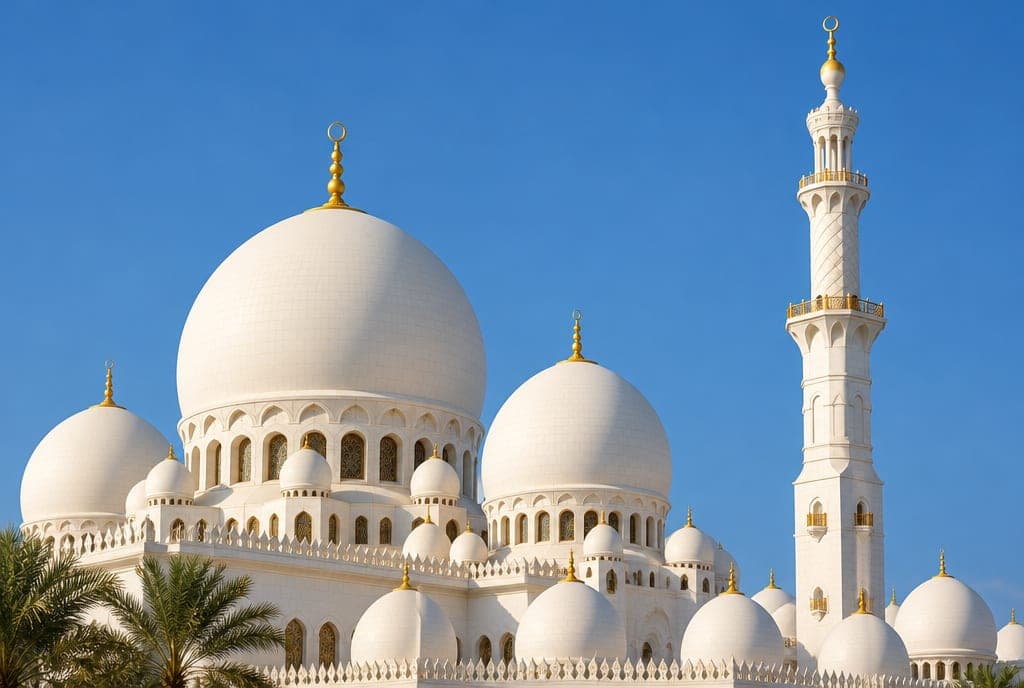
In neighbouring Abu Dhabi, the Sheikh Zayed Grand Mosque also welcomes visitors and is worth a day trip. Tour times, availability and any fees change, so check the current details on jumeirahmosque.ae or with the SMCCU before you go rather than relying on fixed times.
Book a Jumeirah Mosque visit through the SMCCU in advance and check the current times and any fee on jumeirahmosque.ae, as these change. Keep a prayer-time app on your phone for accurate local prayer times in Dubai.
An easy alcohol-free trip
An alcohol-free trip in Dubai takes no planning. Alcohol is served only in licensed venues, which are mostly attached to hotels, so the vast majority of restaurants and cafes you pass are dry by default. Avoiding alcohol is the ordinary, easy choice rather than something you have to arrange, and no one will expect you to drink.
There are plenty of alcohol-free restaurants, cafes and dessert spots, so social evenings out are comfortable without it. The alcohol rules themselves — where drink is sold and the law around it — are covered in a separate guide if you want that detail.
Modest fashion and shopping
Modest dressing is normal and comfortable throughout Dubai. Malls carry modest clothing from both international and local brands, and modest swimwear is widely sold and perfectly normal at beaches and pools.
Dubai is relaxed about how visitors dress day to day, but at mosques and in more traditional or government settings, modest cover is expected — shoulders and knees covered, and a headscarf for women inside mosques. What to wear across the city, setting by setting, is covered in its own guide.
Frequently asked questions
Do I need to check whether a restaurant is halal in Dubai?
Usually not. Halal is the default across the UAE, so an ordinary restaurant, cafe or food-court outlet in Dubai is almost always halal without you having to ask. The main thing to look out for is pork, which is sold only in licensed, clearly marked sections and is always labelled on menus, so it is simple to avoid.
Can non-Muslims join a mosque visit in Dubai?
Yes. Jumeirah Mosque is open to non-Muslim visitors through guided tours run by the Sheikh Mohammed Centre for Cultural Understanding (SMCCU), where traditional dress can be borrowed and questions are encouraged, which makes it easy to visit with non-Muslim friends or family. Check current tour times and any fee on jumeirahmosque.ae or with the SMCCU, as they change.
Are there prayer rooms in Dubai's malls and airport?
Yes. Dedicated prayer rooms (musalla) are provided in shopping malls, at Dubai's airport and in most public buildings, usually with separate areas for men and women. Mosques are also found in almost every neighbourhood, so finding a place to pray is rarely a problem.
Is it awkward to avoid alcohol in Dubai?
Not at all. Alcohol is served only in licensed venues, mostly inside hotels, so most places are alcohol-free by default and no one expects you to drink. There are plenty of alcohol-free restaurants and cafes, which makes a dry trip comfortable and completely ordinary.
Is Dubai a good destination for Muslim travellers overall?
Yes, Dubai is widely considered one of the easiest cities for Muslim travellers. Halal food is standard, prayer facilities and mosques are everywhere, modest fashion is easy to find, and an alcohol-free trip takes no effort. Visiting during Ramadan is a distinctive experience and is covered in its own guide.
Written by the TripReview team from our own price benchmarks and the rules published by UAE authorities, and updated 23 October 2026. Figures are ranges, not quotes — check the latest rules with the official source before you travel. How we rate companies