Table of contents
Quick answer
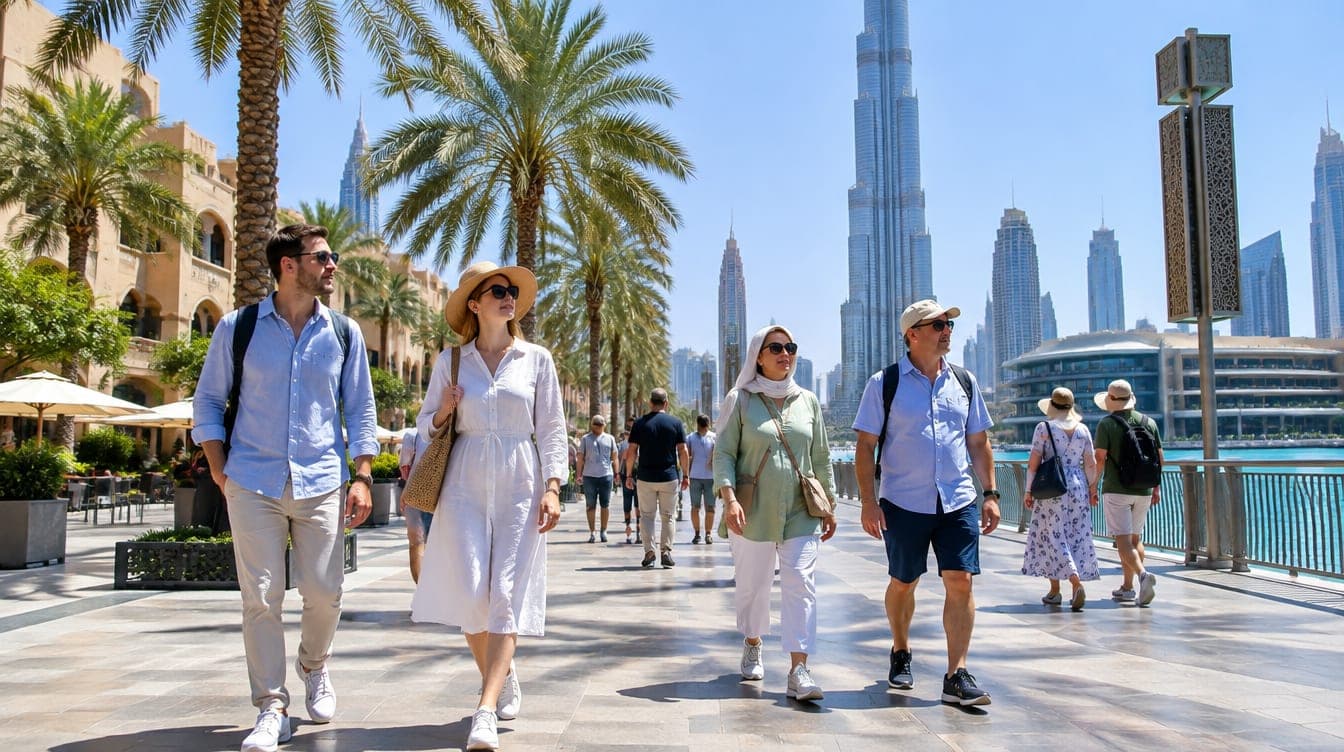
Dubai has no strict tourist dress code, but the rule of thumb in public places — malls, souks and streets — is to cover shoulders and knees. Beaches and pools are relaxed, mosques need modest cover and a headscarf for women, and the desert and winter evenings can be cooler than you'd expect. Pack light, breathable, modest layers.
Malls, souks and the street
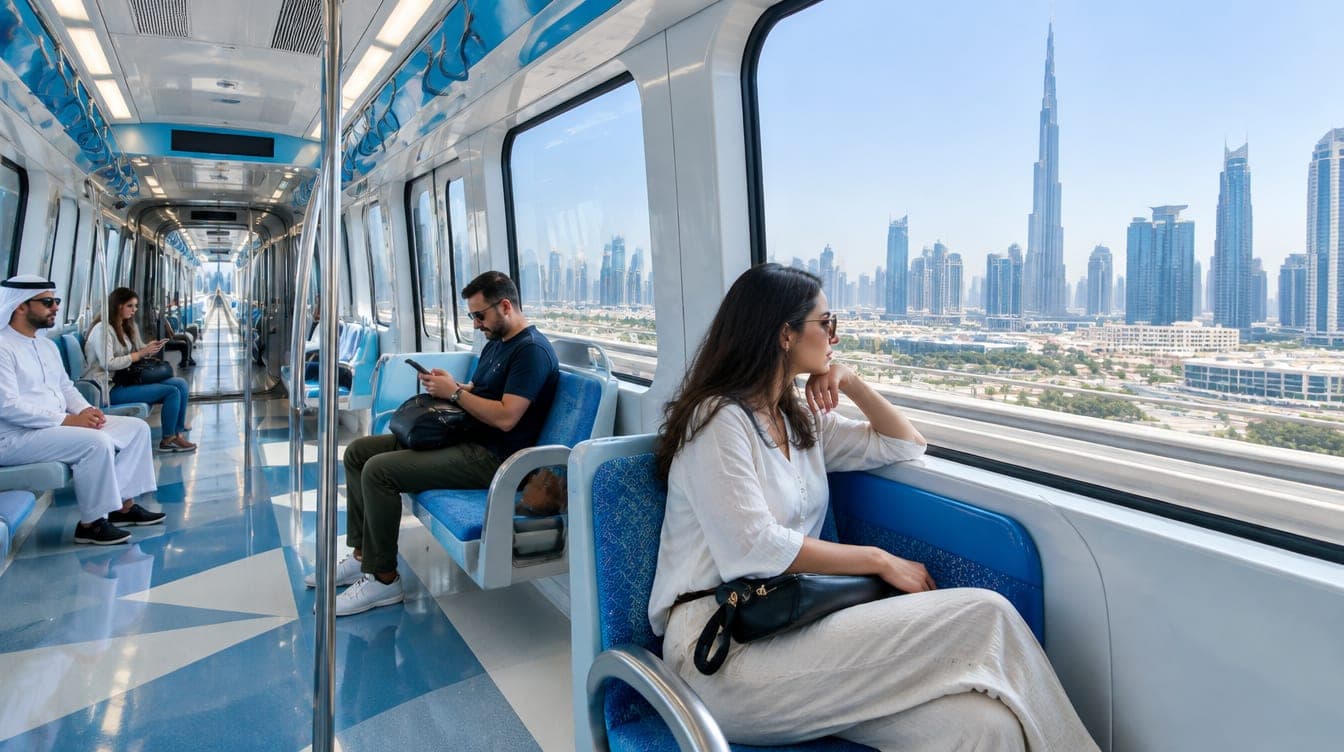
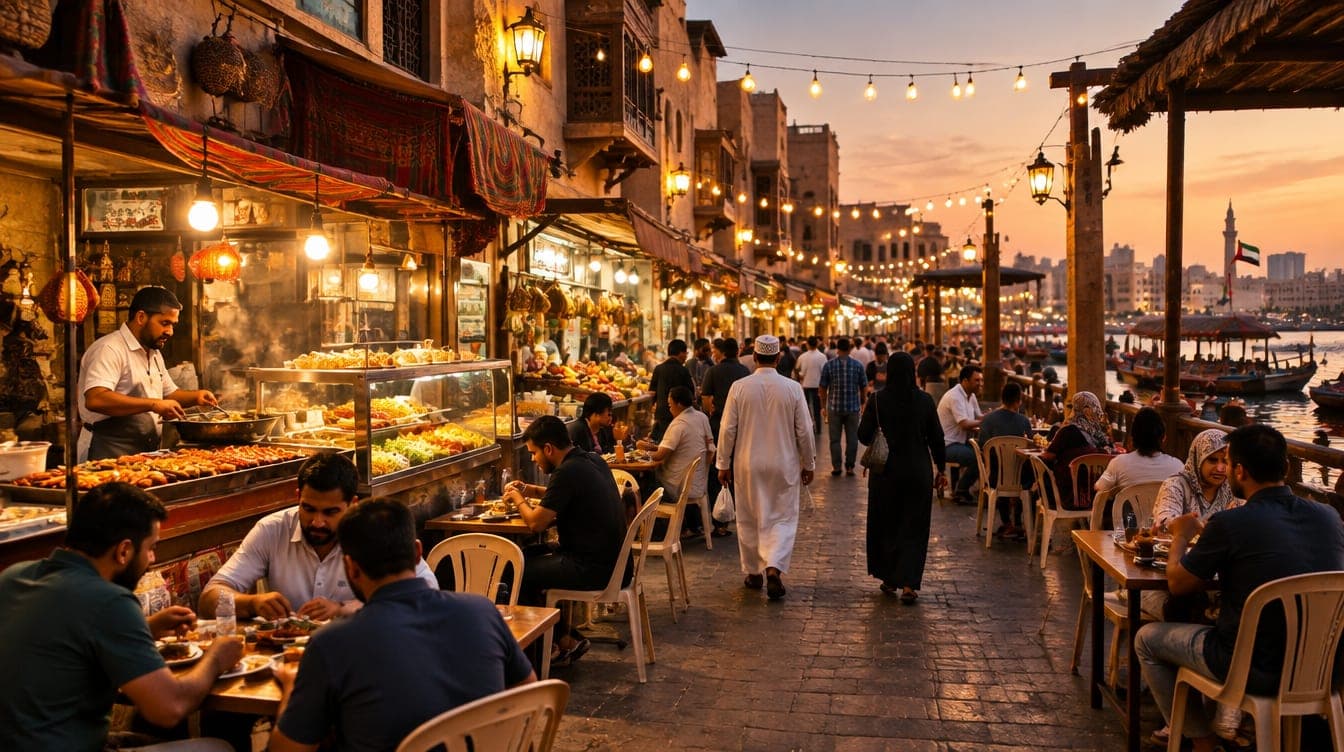
For everyday sightseeing the guideline is modest but comfortable: shoulders and knees covered. You'll see a wide range of styles and nobody expects tourists to cover fully, but very short or revealing clothing can draw signs asking for respectful dress, especially in malls and traditional areas.
Light, loose, breathable fabrics beat tight synthetics in the heat.
Beaches and pools
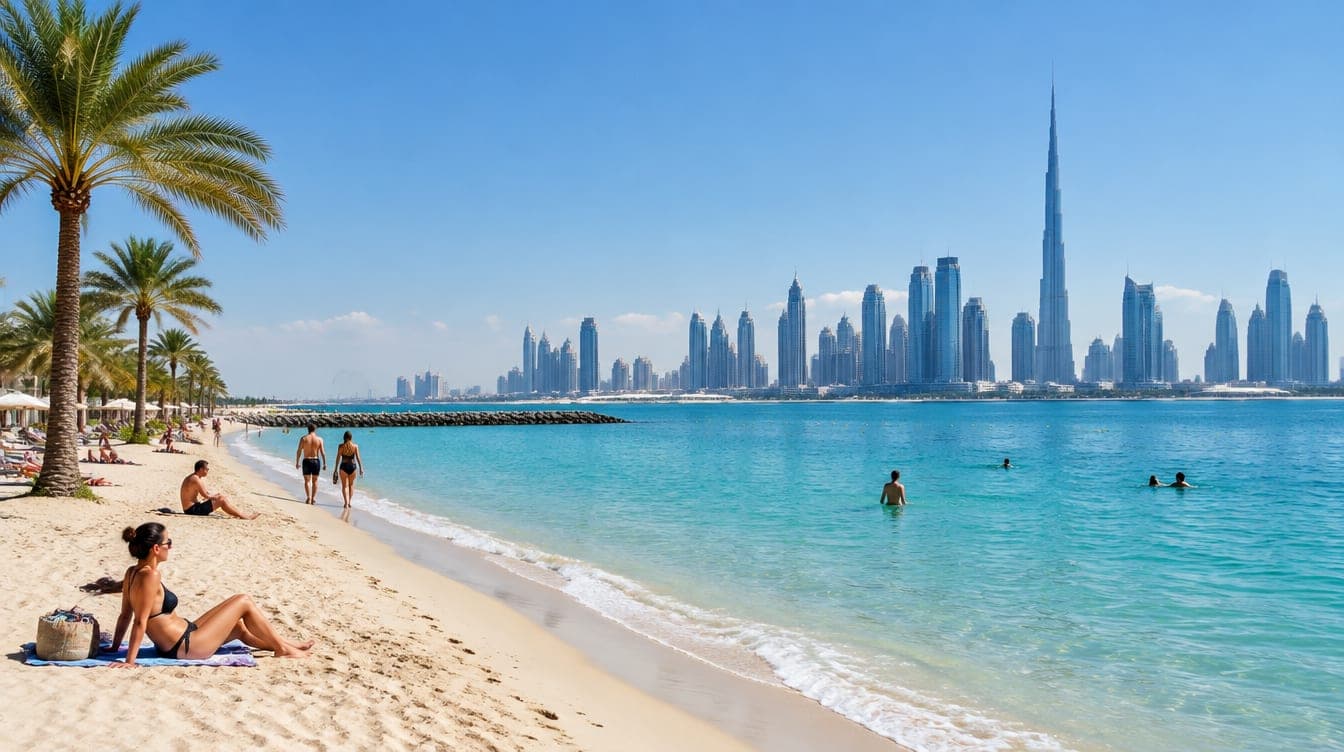
Swimwear is fine at beaches, pool clubs and water parks. Away from the sand, though, cover up — walking through a mall or restaurant in beachwear is not the done thing. Pack a cover-up or kaftan for the walk to and from the water.
Visiting a mosque
To visit a mosque such as the Sheikh Zayed Grand Mosque in Abu Dhabi, dress modestly: long, loose clothing covering arms and legs for everyone, and a headscarf for women. Some mosques lend robes, but bringing your own scarf saves time.
The desert and going out
- Desert safari: closed shoes, light long layers for sun in the day and a warmer layer for the evening, which cools fast.
- Fine dining and clubs: many upscale venues have a smart dress code — no shorts or flip-flops for men in the evening.
- A light scarf or shawl is the most useful thing you'll pack — sun cover by day, warmth at night, and mosque-ready.
What to pack by season
In the cooler months (roughly November to March) days are warm and evenings mild — pack a light jacket for the evening and the fierce indoor air-conditioning. In summer it's very hot, so the lightest breathable clothing plus sun protection, but still carry a layer for the cold malls and restaurants.
Indoor air-conditioning is strong year-round — a light layer in your bag is worth it whatever the season outside.
Frequently asked questions
Is there a dress code for tourists in Dubai?
There's no strict tourist dress code, but in public places like malls, souks and streets you should cover shoulders and knees. Beaches and pools are relaxed; mosques need modest cover and a headscarf for women.
Can women wear shorts and dresses in Dubai?
Yes, within reason — knee-length and covering the shoulders is a safe guideline in public. Very short or revealing clothing can draw requests for more modest dress in malls and traditional areas. Beachwear is for the beach and pool only.
What should I wear to visit a mosque?
Long, loose clothing covering arms and legs, and a headscarf for women. Some mosques lend robes, but bringing your own scarf is easier.
What should I pack for a desert safari?
Closed shoes, light long layers for sun during the day, and a warmer layer for the evening, which cools quickly. Add sunglasses and sun cream.
Do I need warm clothes in Dubai?
A light layer, yes — winter evenings can be mild and indoor air-conditioning is strong all year. You won't need heavy winter clothing.
Written by the TripReview team from our own price benchmarks and the rules published by UAE authorities, and updated 29 September 2026. Figures are ranges, not quotes — check the latest rules with the official source before you travel. How we rate companies