Table of contents
Quick answer
Dubai stays open and busy over Eid: malls, restaurants, attractions, hotels and beaches all run, often on longer hours with promotions and fireworks, while banks and government offices close for the public holiday. Eid al-Fitr follows Ramadan and Eid al-Adha comes a little over two months later; both follow the moon, so the dates move 10 to 11 days earlier each year and are only confirmed close to the time. Expect big crowds and higher prices, book cars, tours and hotels early, greet people with 'Eid Mubarak', and dress a touch more smartly and modestly than you would for the beach.
What is Eid, and when does it fall?
Eid means 'festival' in Arabic, and the Islamic year has two big ones. Eid al-Fitr, the festival of breaking the fast, comes straight after Ramadan (our Ramadan in Dubai guide covers the month before). Eid al-Adha, the festival of sacrifice, arrives as the Hajj pilgrimage to Mecca draws to a close, a little over two months later. Both are UAE public holidays and, above all, family occasions: morning prayers, new clothes, big meals.
Neither has a fixed date. The Islamic calendar follows the moon, so each Eid moves roughly 10 to 11 days earlier every year and drifts through all four seasons over about 33 years. As a rough guide, take last year's date for the same Eid and count back 10 to 11 days. The real date is confirmed by moon sighting and an official announcement, sometimes only a day or so ahead, so anything you read months in advance is an estimate.
How long is the Eid holiday in Dubai?
Each Eid is a UAE public holiday: government offices, banks and schools close. At the time of writing, recent breaks have run to roughly three to five days. For Eid al-Fitr that means the last day or two of Ramadan and the first days of Eid; for Eid al-Adha, Arafat Day (the day before Eid) and the first days of the festival.
The catch is the notice. The public-sector break is announced by the government's HR authorities and the private-sector one by the Ministry of Human Resources and Emiratisation, usually close to the time, and the two can differ. Even the length can hinge on the moon, since Ramadan can run to 29 or 30 days. Treat early 'official' dates as provisional and check the UAE government's announcements (the u.ae portal is the usual place).
Because the break is confirmed late, favour hotels, tours and cars you can change or cancel for free until close to the date.
What's open in Dubai during Eid?
Almost everything a visitor uses. This is the big difference from Ramadan: Eid is a celebration, not a fast, so once Eid itself begins there is no daytime hush and no need to be discreet with a coffee. One catch: the Eid al-Fitr break can start a day or so before Eid, when people are still fasting, so keep the Ramadan courtesy until Eid is declared.
Malls, restaurants, attractions, hotels and beaches all run, usually busier than normal and often on longer hours; what shuts is the working side of the city. Some shops open later on the first morning because of the Eid prayers, and small family-run businesses sometimes close for the whole break, so confirm anything time-sensitive. Street parking charges have often been relaxed on public holidays, though multi-storey car parks usually still charge.
| Place | Usual Eid status | Worth knowing |
|---|---|---|
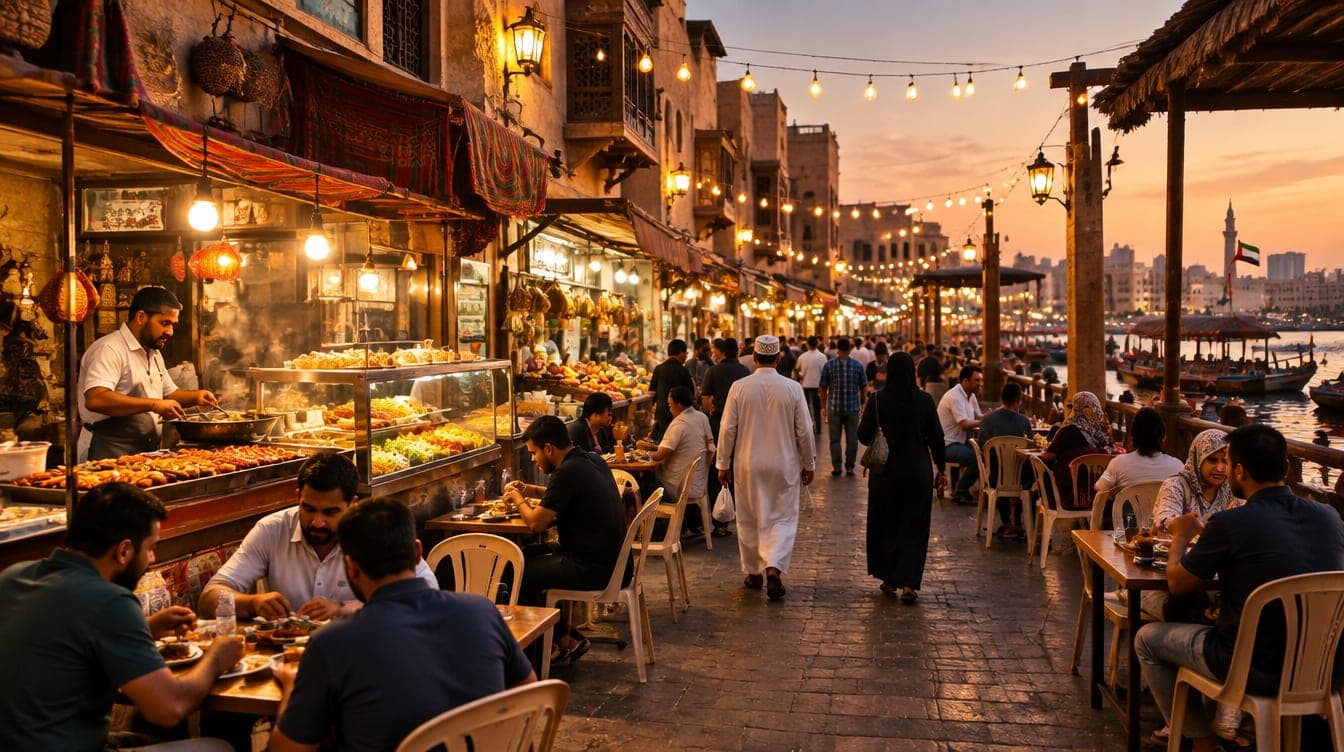
| Malls, shops, restaurants and cafés | Usual Eid statusOpen, often on longer hours | Worth knowingBusiest in the evenings; book tables ahead |
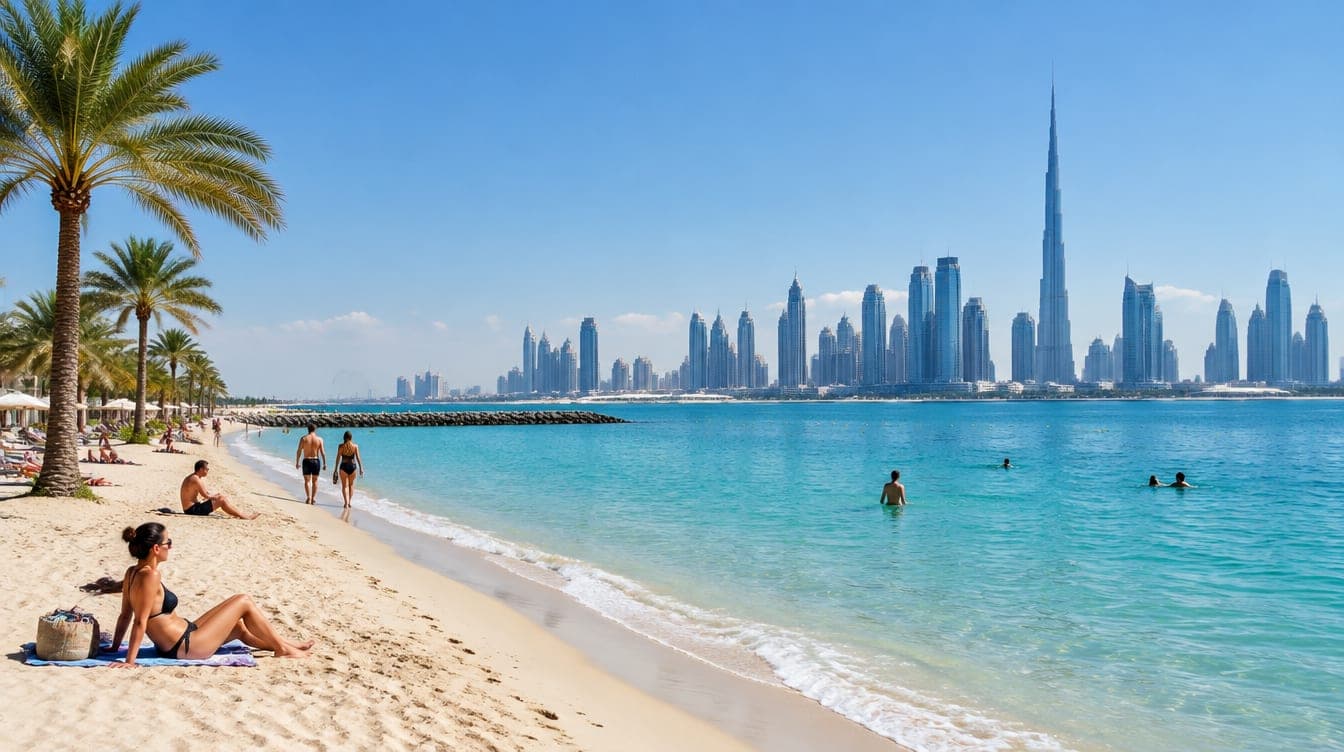
| Attractions, theme parks and beaches | Usual Eid statusOpen, with big crowds | Worth knowingBuy tickets ahead; timed entries can sell out |
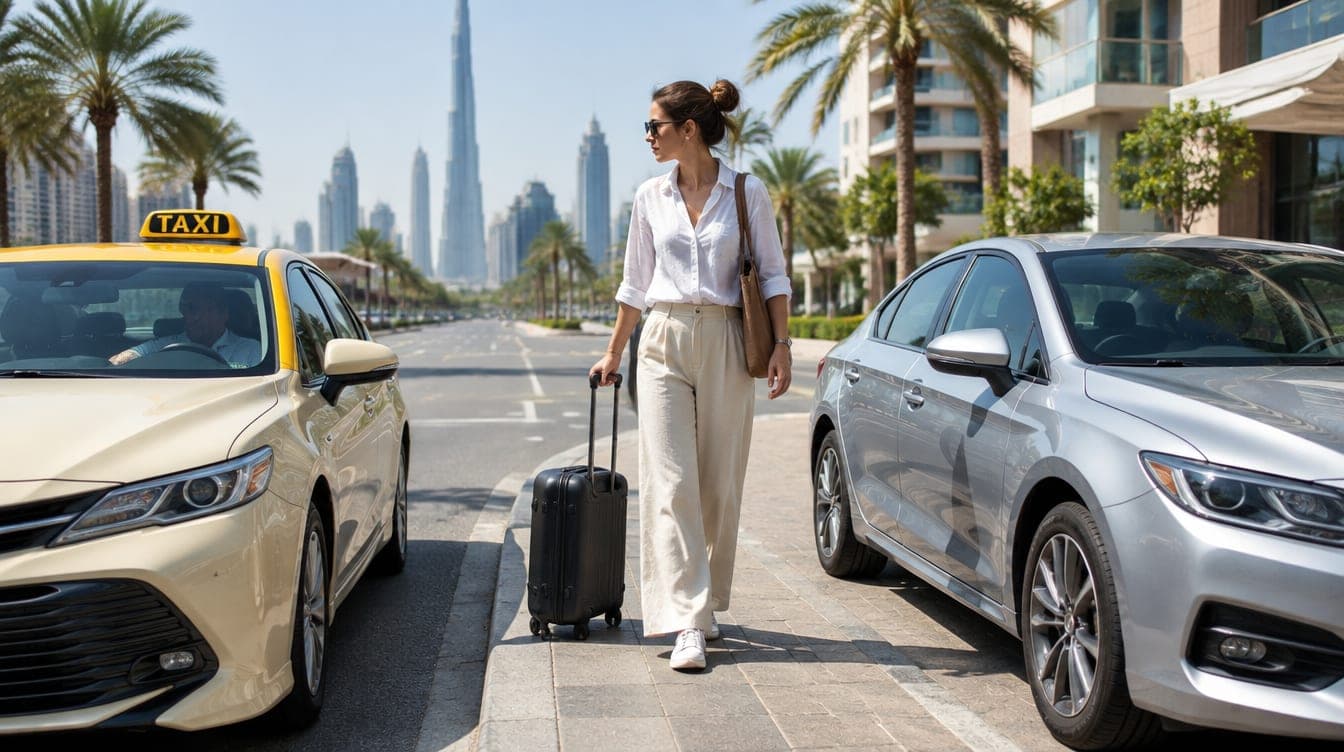
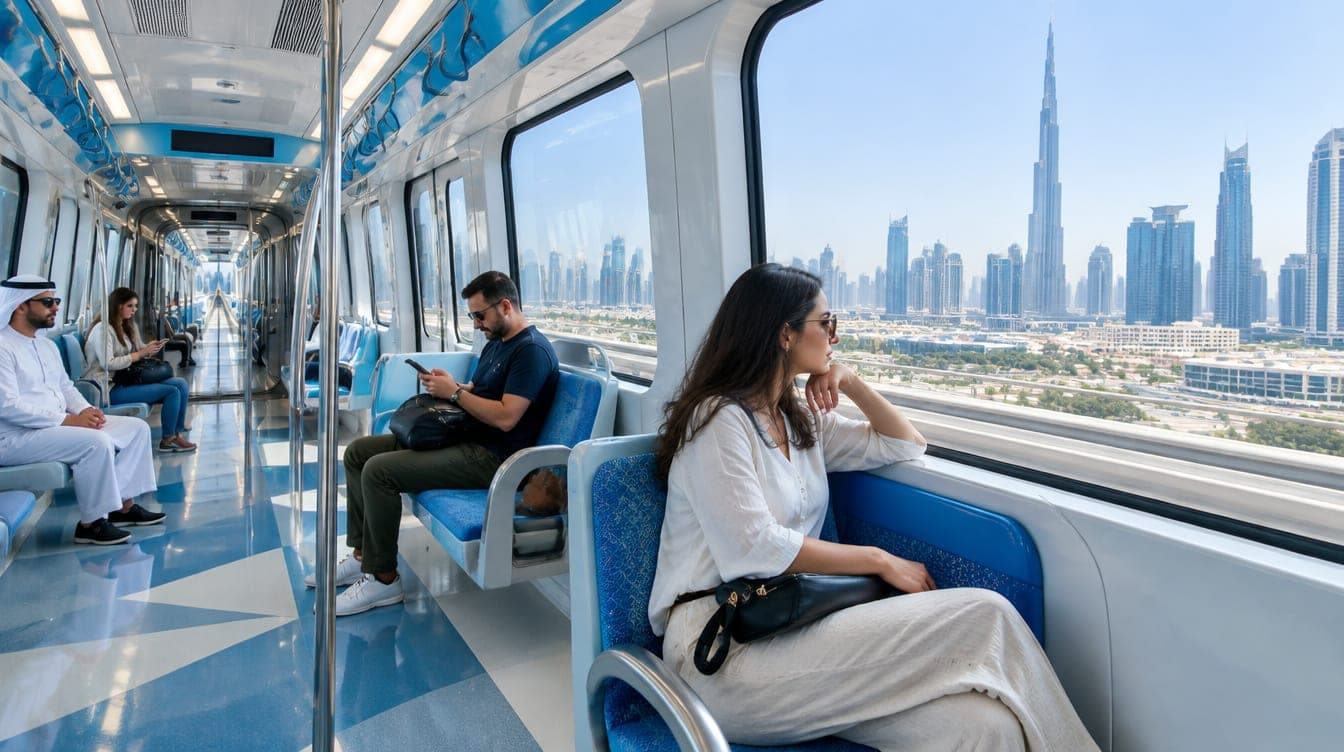
| Metro, tram, buses and taxis | Usual Eid statusRunning | Worth knowingThe Metro, tram and buses keep holiday timetables (check the RTA); taxis are in heavy demand |
| Government offices, courts and banks | Usual Eid statusClosed | Worth knowingDo paperwork before or after; ATMs and cards work as normal |
Arrangements are announced shortly before each holiday and vary from year to year, so confirm with the venue or the official announcement.
Eid events, fireworks and promotions
Eid is when Dubai celebrates in public. Past years have brought fireworks and light shows to waterfronts, mall promenades, theme parks and festival grounds, including Global Village when its season overlaps the holiday. They are announced shortly beforehand and change every year, so treat any venue as unconfirmed, and see the fireworks as a bonus rather than a reason to travel. If one big fireworks night is what you want, New Year's Eve is the date for that: see our New Year's Eve in Dubai guide.
Elsewhere, Eid is a run of smaller things across the city rather than one headline event:
- Malls lay on live shows, children's activities and Eid sales, with the last days before Eid al-Fitr often the busiest shopping days of the year. The Dubai Shopping Festival is a separate event.
- Hotels and restaurants run Eid brunches and special menus, and cinemas often time big releases for the holiday.
How busy and expensive is Dubai at Eid?
Busy, and noticeably so. Eid is one of the main travel peaks of the year, as residents head out and visitors arrive from across the Gulf and beyond, so everyone is chasing the same hotels, tables, tickets and cars. Prices follow demand: hotels, flights and rentals are often higher than in the weeks either side of the break, and the most popular options sell out first. The peak is short, and sharpest when Eid lands in the cooler months, which are already the high season.
- Airport: departures and arrivals bunch up at the start and end of the break, so avoid tight connections and leave extra time.
- Roads: expect heavier traffic around malls and beaches, on the routes to Sharjah, Abu Dhabi and Hatta, and near mosques at the morning Eid prayer.
Go early. Book the first attraction slot of the day, eat before the lunch and dinner rush, and head to the beach in the morning, before the crowds build.
Eid etiquette for visitors
Eid is relaxed and welcoming, and nobody expects visitors to know the finer points. The everyday rules in our guide to the laws tourists should know, on public behaviour, alcohol and photography, apply as normal. A few habits help on top of those:
- Greet people with 'Eid Mubarak' (blessed Eid) or 'Eid Saeed' (happy Eid). Saying it back is the usual reply.
- Dress smartly and modestly. Locals wear their finest, often a kandura or abaya, so beachwear in a mall stands out. Cover shoulders and knees in public places; our guide to what to wear in Dubai has the detail.
- Let the other person offer a handshake first, especially across genders. A hand on your heart and a smile is always fine.
- Ask before photographing people, particularly women and families in their Eid clothes. Sharing someone's photo without consent can breach UAE privacy law.
- If you are invited into a home, accept. Bring dates or sweets, take your shoes off if your hosts have, and use your right hand to eat and to pass things.
Eid in Dubai with kids
Eid is a children's holiday as much as anyone's: new clothes, sweets, Eidiya (a small gift of money) and days off school. Water parks, theme parks, aquariums, beaches and mall play areas are generally open, which makes it easy to find something to do and harder to find the space to do it. Our Dubai with kids guide covers the wider family planning.
Agree a meeting point in case anyone gets separated, and put a phone number on a wristband or in a pocket for younger children.
- In the hotter months, spend the middle of the day indoors, at aquariums, indoor theme parks or mall play areas, and go outside in the morning or evening.
- Fireworks nights are loud and late, so with small children pick a viewing spot with an easy exit.
Should you visit Dubai during Eid?
At Eid, Dubai is in full festive mode: families out in new clothes, fireworks over the water, shopping promotions and a holiday mood that is hard to find at other times. You pay for it with crowds, higher prices and a few days when the offices and banks you might need are shut. It suits families and anyone who can book early, and suits you less if you want quiet beaches or bargain rates.
Eid also falls in a different season each year, comfortable in some and hot in others, so check the date against our best time to visit Dubai guide.
| What you notice | Eid | Ramadan |
|---|---|---|
| Daytime feel | EidFestive and busy, everything open | RamadanQuieter, with discretion over eating and drinking |
| Crowds and prices | EidA short, heavy peak | RamadanLighter by day; hotels often softer |
| Offices and banks | EidClosed for the holiday | RamadanOpen, on shorter hours |
General patterns only; they shift with the season and the year's demand.
Booking a car, transfer, safari or boat for Eid
Residents are on holiday too, so for a few days demand for cars, desert trips and boats jumps and the most popular options go first. Book earlier than you normally would and compare more than one quote, because prices over a holiday can sit above the usual ranges.
- Car: renting a car gives you freedom on days when taxis are scarce. Confirm pick-up and return hours for the holiday dates.
- Transfers: a pre-booked airport transfer takes the guesswork out of the busiest arrival and departure days.
- Desert safari: desert safaris are popular with families over the break, and evening sessions fill first. In the hotter months, evening is also the comfortable time to go.
- Boats: yacht and boat charters fill up over holiday weekends, so check the cancellation terms before you pay.
Frequently asked questions
When is Eid in Dubai?
There is no fixed date. Eid al-Fitr follows Ramadan and Eid al-Adha comes a little over two months later; both follow the lunar calendar, so they move 10 to 11 days earlier each year. The UAE authorities confirm the exact days close to the time, so check the official announcement.
How many days is the Eid holiday in Dubai?
In recent years each Eid break has run to roughly three to five days, depending on how it falls against the weekend. The Eid al-Adha break usually starts with Arafat Day, the day before Eid itself. The government announces the length close to the time and can extend it.
What is the difference between Eid al-Fitr and Eid al-Adha?
Eid al-Fitr marks the end of Ramadan's fasting month and is festive and social, with sweets, gifts and shopping. Eid al-Adha, the festival of sacrifice, comes as the Hajj pilgrimage ends, a little over two months later, and centres on family meals and sharing meat with people in need.
Is Dubai open during Eid?
For visitors, yes. Malls, restaurants, attractions, hotels and beaches all operate, often on longer hours, and are usually busy. Government offices, courts and banks close for the public holiday, and the Metro, tram and buses run on holiday timetables.
Can tourists eat and drink in public during Eid in Dubai?
Yes, once Eid itself begins: the daytime courtesy asked during Ramadan no longer applies. The Eid al-Fitr break can start a day earlier, while people are still fasting, so stay discreet until Eid is declared. The year-round rules, such as no public drinking of alcohol, still apply.
Are there fireworks in Dubai for Eid?
Often, yes. Past Eids have seen fireworks and light shows at waterfronts, mall promenades, theme parks and festival grounds, usually as several smaller shows rather than one headline display. Venues and nights change every year, so check each venue's own schedule.
Do prices go up in Dubai during Eid?
Often, for a few days. Hotels, flights and rentals tend to cost more as residents and regional visitors take the holiday, and the most popular options sell out first. Book early and prefer flexible terms until the holiday dates are confirmed.
Is Eid a good time to visit Dubai?
It is if you want the festive atmosphere, fireworks and family entertainment and can accept crowds and higher prices. It suits you less if you want quiet beaches, bargain rates or open government offices. The weather depends on which season Eid falls in that year.
What is Eid Al Etihad?
Eid Al Etihad is the UAE's National Day on 2 December, a fixed date unconnected to the moon or the Islamic Eids. It is a public holiday, and the length of the break is announced each year.
Written by the TripReview team from our own price benchmarks and the rules published by UAE authorities, and updated 21 October 2026. Figures are ranges, not quotes — check the latest rules with the official source before you travel. How we rate companies